
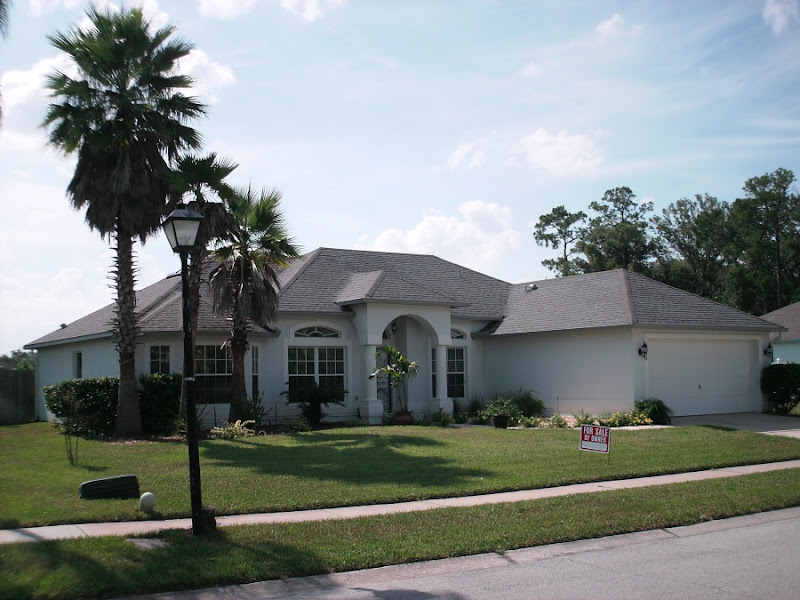
The two important keys to remember are, the better the location, the more you can improve both the house and its value. If the overall real estate market heats up, better areas appreciate more. In less desirable areas, you won’t be able to get back your investment on anything other than basic improvements, unless you buy real cheap. For example, there are older neighborhoods in nearly every city with small 900-square-foot homes built in the 1940s and 1950s. If they’re near a university, downtown, or other desirable location, their value has probably soared. Yet, these same types of homes built near an airport or business park will go for many thousands of dollars less and be hard to sell.
In one instance, Andy and Rebecca found a 1950s two-bedroom, brick cottage near a private college and close to an upscale shopping area. The house was an estate sale and hadn’t been upgraded, but they got a good deal on it and were excited at the potential. Looking at other homes in the neighborhood, Andy and Rebecca noticed that most had been remodeled or upgraded. Actually, their home was the ‘‘ugly duckling’’ of the street. It was an opportunity, and they took advantage of it by painting, restoring the woodwork, and upgrading the kitchen, furnace, and wiring.
A few years later, when Andy and Rebecca outgrew their home, they had accumulated enough equity to put a sizable down payment on their next home.
So what did they do right?
First, they focused on the area. They looked for a neighborhood that would go up in value and was near a college, university, or popular shopping area, an area that would appeal to young professionals who didn’t like a long commute, where homes had charm, and where similar minded homebuyers were moving in and renovating. Second, Andy and Rebecca were careful about the money they put into the home. A big part of their upgrading required elbow grease and paint. The money they did spend went where it would give them the best return, a new furnace, roof, and kitchen. Third, they realized that eventually the house would be too small and they would have to sell and move to a bigger home. Their plan was to accumulate as much equity as possible, and they kept their eye on what homes were selling for in the area.
In one instance, Andy and Rebecca found a 1950s two-bedroom, brick cottage near a private college and close to an upscale shopping area. The house was an estate sale and hadn’t been upgraded, but they got a good deal on it and were excited at the potential. Looking at other homes in the neighborhood, Andy and Rebecca noticed that most had been remodeled or upgraded. Actually, their home was the ‘‘ugly duckling’’ of the street. It was an opportunity, and they took advantage of it by painting, restoring the woodwork, and upgrading the kitchen, furnace, and wiring.
A few years later, when Andy and Rebecca outgrew their home, they had accumulated enough equity to put a sizable down payment on their next home.
So what did they do right?
First, they focused on the area. They looked for a neighborhood that would go up in value and was near a college, university, or popular shopping area, an area that would appeal to young professionals who didn’t like a long commute, where homes had charm, and where similar minded homebuyers were moving in and renovating. Second, Andy and Rebecca were careful about the money they put into the home. A big part of their upgrading required elbow grease and paint. The money they did spend went where it would give them the best return, a new furnace, roof, and kitchen. Third, they realized that eventually the house would be too small and they would have to sell and move to a bigger home. Their plan was to accumulate as much equity as possible, and they kept their eye on what homes were selling for in the area.


No comments:
Post a Comment